
Understanding the 2026 Under 70m² Exemption Rule. What Does It Mean for Second-Hand Relocatable Homes?
If you’ve been following recent changes in New Zealand building regulations, you may have heard about the new 2026 exemption rule for small dwellings. Under this rule, standalone homes up to 70m² can be built without a traditional building consent. But there’s an important detail you need to know: this exemption only applies to new builds.
So, what does this mean if you’re considering a second-hand relocatable home?
The 2026 Under 70m² Exemption Explained
Starting in 2026, homeowners can take advantage of a streamlined process for small, new dwellings up to 70m². These homes, often called “minor dwellings” or “granny flats,” can bypass some of the usual building consent requirements, saving both time and money.
Key points of the exemption:
Applies only to brand-new builds, including new transportable or prefabricated homes.
Dwellings must be single-storey, standalone, and self-contained.
Must meet all current NZ Building Code standards for safety, durability, and accessibility.
Homeowners still need to ensure compliance with planning rules and site conditions.
While this sounds like a great opportunity, it’s important to note that second-hand relocatable homes do not qualify, even if they’re fully renovated and come with a new Code Compliance Certificate (CCC).
Why This Isn’t a Bad Thing for Second-Hand Relocatable Homes
If you were hoping to use a second-hand relocatable home to take advantage of the exemption, don’t worry, it’s not all bad news.
At Houses On The Move, we make it simple to relocate a second-hand home to your site. We handle the building consent and, if required, resource consent submissions on your behalf when you purchase one of our relocatable homes. That means you don’t need to worry about the paperwork; we take care of it for you.
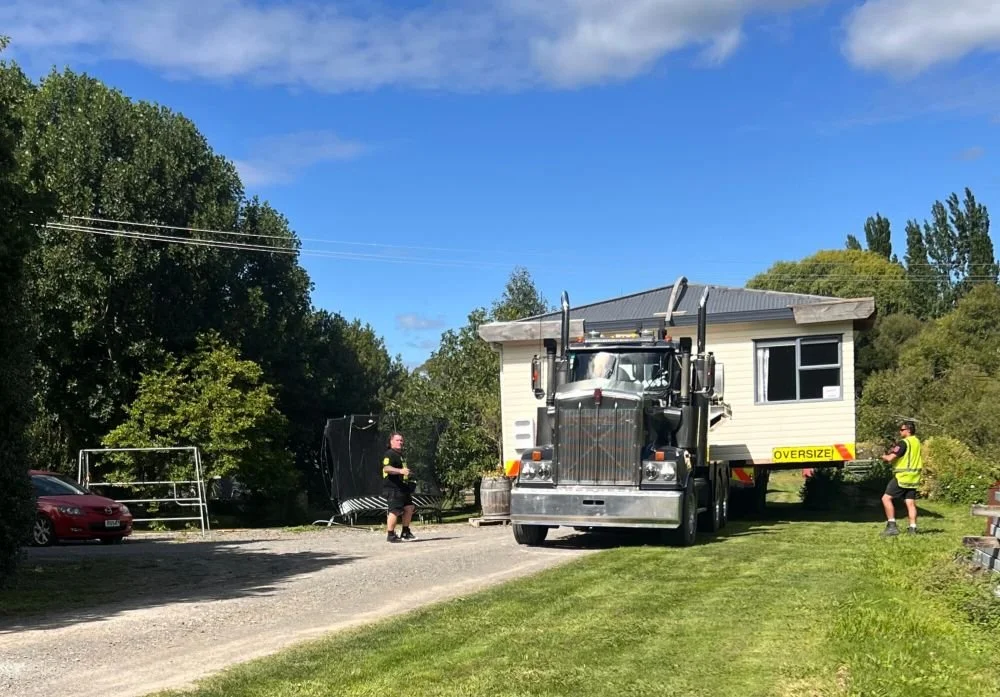
Even though the 70m² exemption can save new builds time and money, buying and renovating a second-hand relocatable home is often cheaper and faster than building new. With a relocatable home, the structure is already built, and you can often complete renovations, site preparation, and relocation in a fraction of the time compared to a brand-new build.
Benefits of Choosing a Second-Hand Relocatable Home
Cost-effective: Relocatable homes are generally more affordable than new builds, even after renovations.
Faster timelines: Your home is already constructed, so relocation and refurbishment take less time than building from scratch.
We manage the consents: At Houses On The Move, we submit your building consent and resource consent (if required), saving you stress and delays.
Eco-friendly: Reusing existing homes reduces waste and environmental impact.
Key Takeaways
The 2026 under 70m² exemption is a great opportunity, but it only applies to new builds.
Second-hand relocatable homes do require building consent, and sometimes resource consent, even if fully renovated.
This isn’t a disadvantage, second-hand relocatable homes are still cheaper, faster, and easier than a new build.
With Houses On The Move, your consent applications are taken care of on your behalf.
If you’re considering a relocatable home in New Zealand, it’s worth weighing the speed, cost, and convenience of a second-hand option, especially with a trusted team handling all the consent requirements before the house is delivered.