
Ramping In House Relocation: What Is It? And Why We Use This Method.
When it comes to relocating a house, there are many technical processes happening behind the scenes to ensure everything runs smoothly and safely. One technique you may hear our team mention is “ramping.” It’s a common and crucial part of many relocations, especially when dealing with challenging sites or specific foundation types.
So, What Is Ramping?
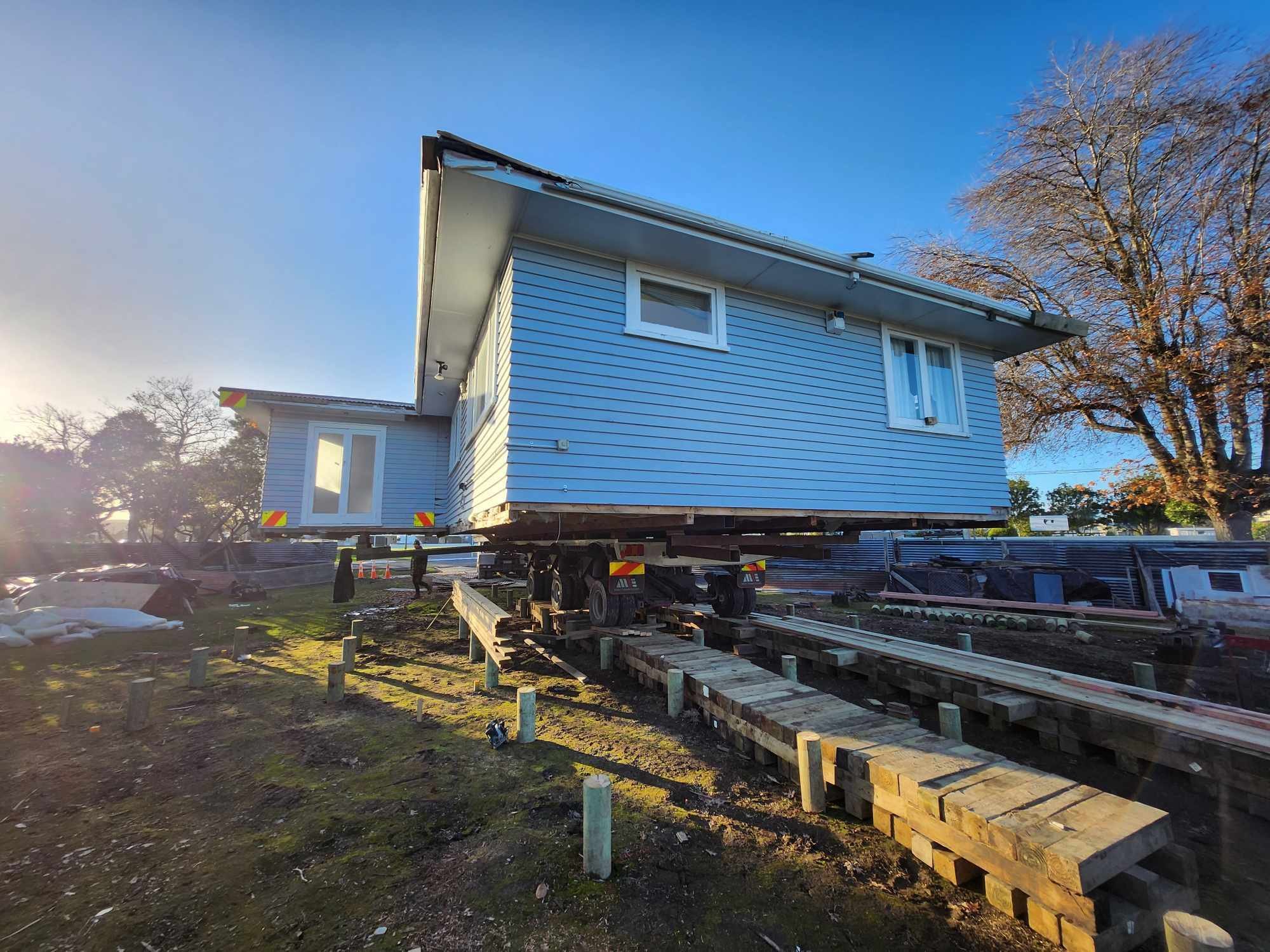
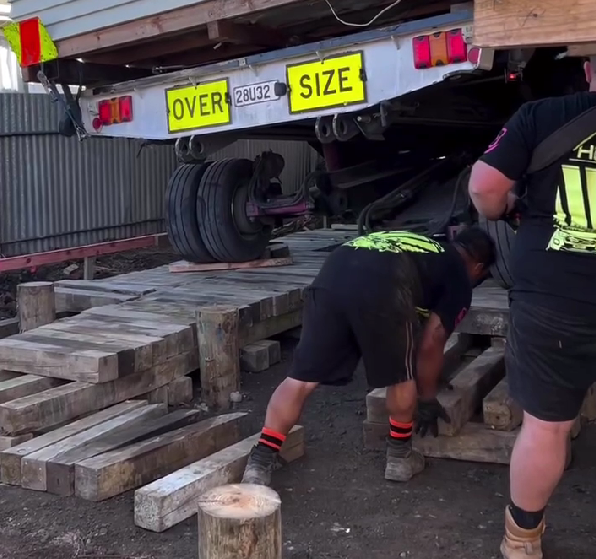
Ramping is a temporary method used to create a smooth and stable path for our heavy-duty trailers to roll over obstacles during a house move.
The best way to picture it? Think of us building a short section of temporary railway track.
These tracks or ramps allow our trailer wheels to safely carry the house over areas that would otherwise be too risky or uneven to cross.
When Do We Use Ramping?
We typically use ramping in situations like:
Crossing over installed driven pile foundations
Moving over culverts, drainage channels, or soft ground
Raising the house up and over a tricky access point or boundary
In some relocations, when driven piles are installed ahead of the house arrival, we use ramping to lift and guide the house over the foundation.
A ramp is used to drive the trailer wheels up, providing the height needed to place the building on the new foundation.
At Houses On The Move, we use top-of-the-line equipment and proven techniques to build our ramps quickly and securely. It's one of the many ways we tailor each relocation to the site’s unique challenges, so we can deliver your home safely, on time, and in great condition.
Planning a Relocation?
Whether your site requires ramping or not, our team will assess the land and access points during our planning process to determine the best, safest approach. If you’re unsure what your site might need, we’re happy to talk you through it.
Get in touch to discuss your property and learn how we make house relocation stress-free, even when the ground gets tricky.