
Funding a Relocatable Home in New Zealand: A simple guide
If you’re new to relocatable homes, understanding how funding works can feel a bit confusing. This guide breaks it down in simple terms so you know what to expect, what lenders look for, and how to plan your budget.
What Makes Funding a Relocatable Home Different?
Getting funding for a relocatable home is not the same as a standard new build.
With a typical construction project:
The bank releases money in stages
They control payments as the build progresses
The house is already secured to the land
With a relocatable home:
You usually need to pay for the house and the move before it’s on your land.
Until the house is fixed on-site, the lender’s security is more at risk.
Because of this, first tier lenders can be more cautious.
How to Reduce Risk (and Improve Your Chances of Approval)
There are a few key things you can do to make lenders more comfortable:
1. Work with a Trusted Relocation Company
Choose a company with:
Proven experience
Strong reputation
Full insurance cover during transport and placement
This protects both you and the lender if anything goes wrong.
2. Avoid Paying Everything Upfront
Lenders prefer staged payments because it reduces risk.
At Houses On The Move, invoices are split into three instalments rather than one large upfront cost.
⚠️ Tip: Be cautious of companies asking for most (or all) of the money upfront.
3. Use a Mortgage Advisor
A good mortgage advisor can:
Help structure your deal
Work with lenders on your behalf
Suggest options you may not know about
This is especially important if this is your first relocatable project.
What Do Lenders Need to Approve Your Loan?
To get funding approved, lenders want to know:
What will the property be worth at the end?
This is based on:
Your land (section) value
The relocatable home
Any renovations or improvements
Key Requirement: On-Completion Valuation
You will usually need:
A valuation from a registered valuer
This estimates the property’s value once everything is finished
Understanding LVR (Loan-to-Value Ratio)
Lenders use LVR to decide how much they will lend.
It compares your loan amount to the final property value
The lower the LVR, the safer it is for the lender
Your project needs to fit within the lender’s LVR limits to be approved.
The Real Cost of a Relocatable Home
The purchase price is only part of the total cost. There are several additional expenses to plan for.
Key Costs to Consider
Transport and Moving Costs
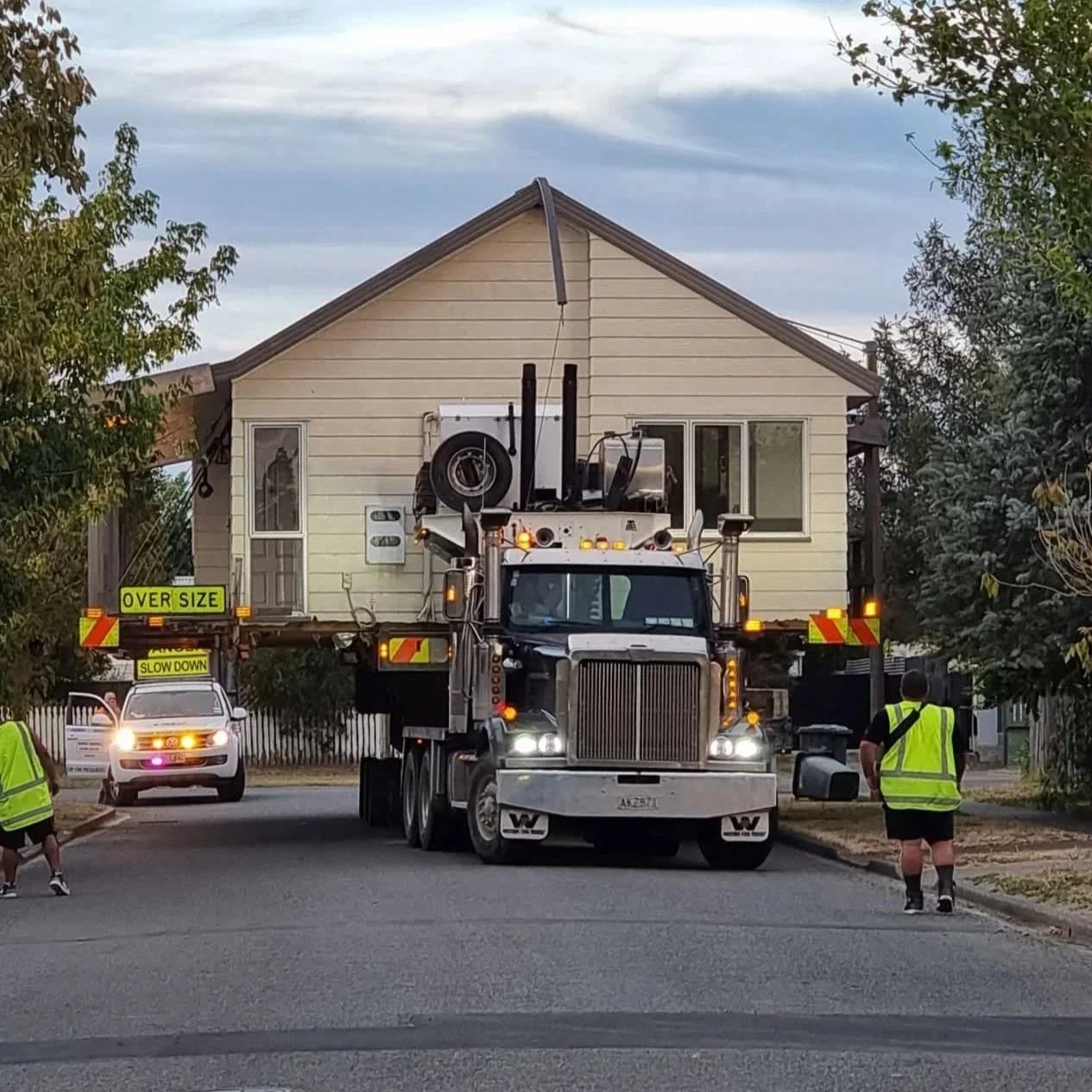
Varies depending on:
Distance
Site access
House size
House condition
✔️ At Houses On The Move, transport is included in the house price.
Site Preparation and Foundations
Geotech report
Earthworks and levelling
Tree removal
Council Fees and Consents
Building consent fees
Resource consent (if required)
Renovations and Repairs
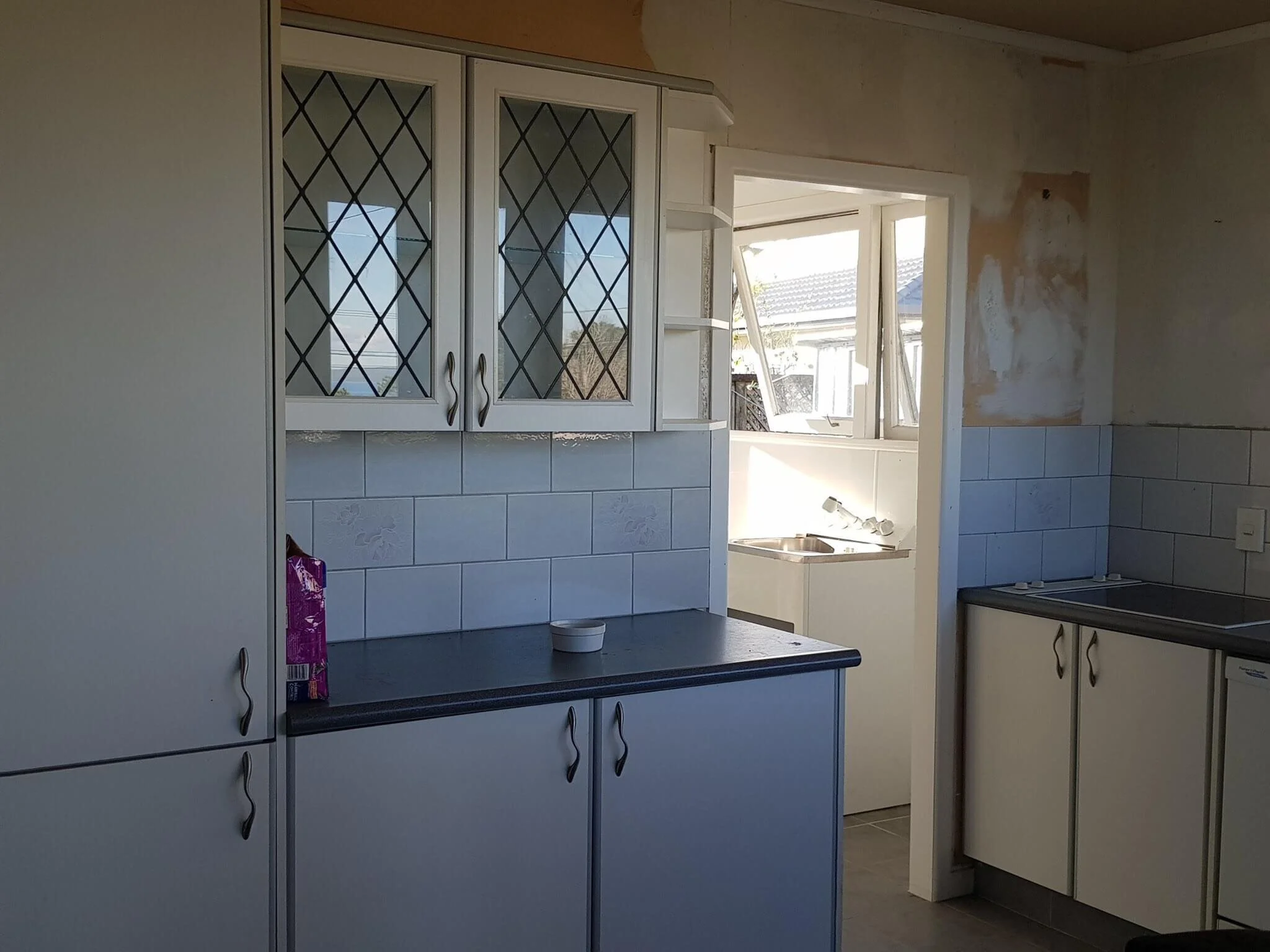
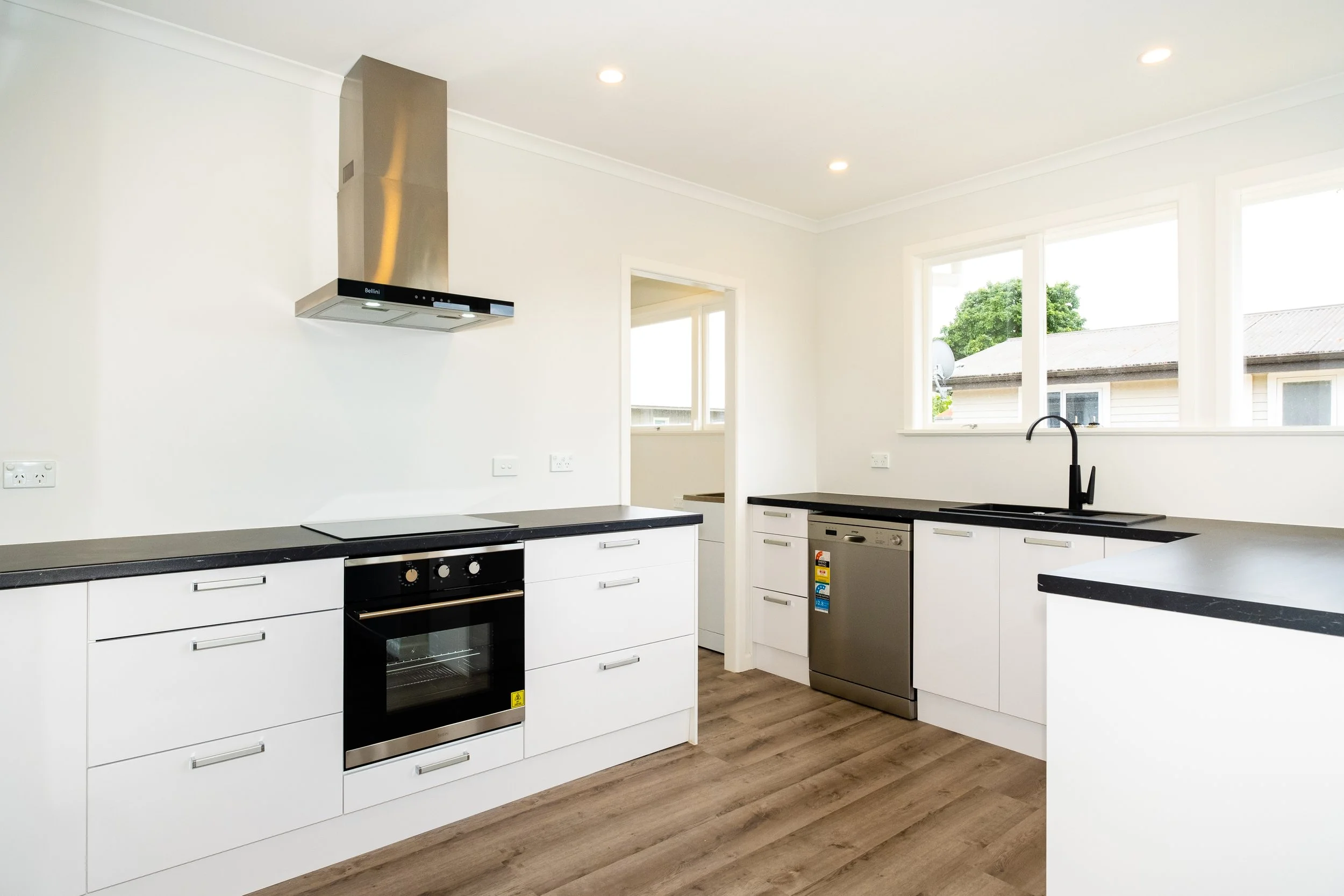
Cosmetic updates (paint, flooring, kitchen upgrades)
Structural repairs (if needed after inspection)
Electrical or plumbing upgrades to meet current standards
Utility Connections
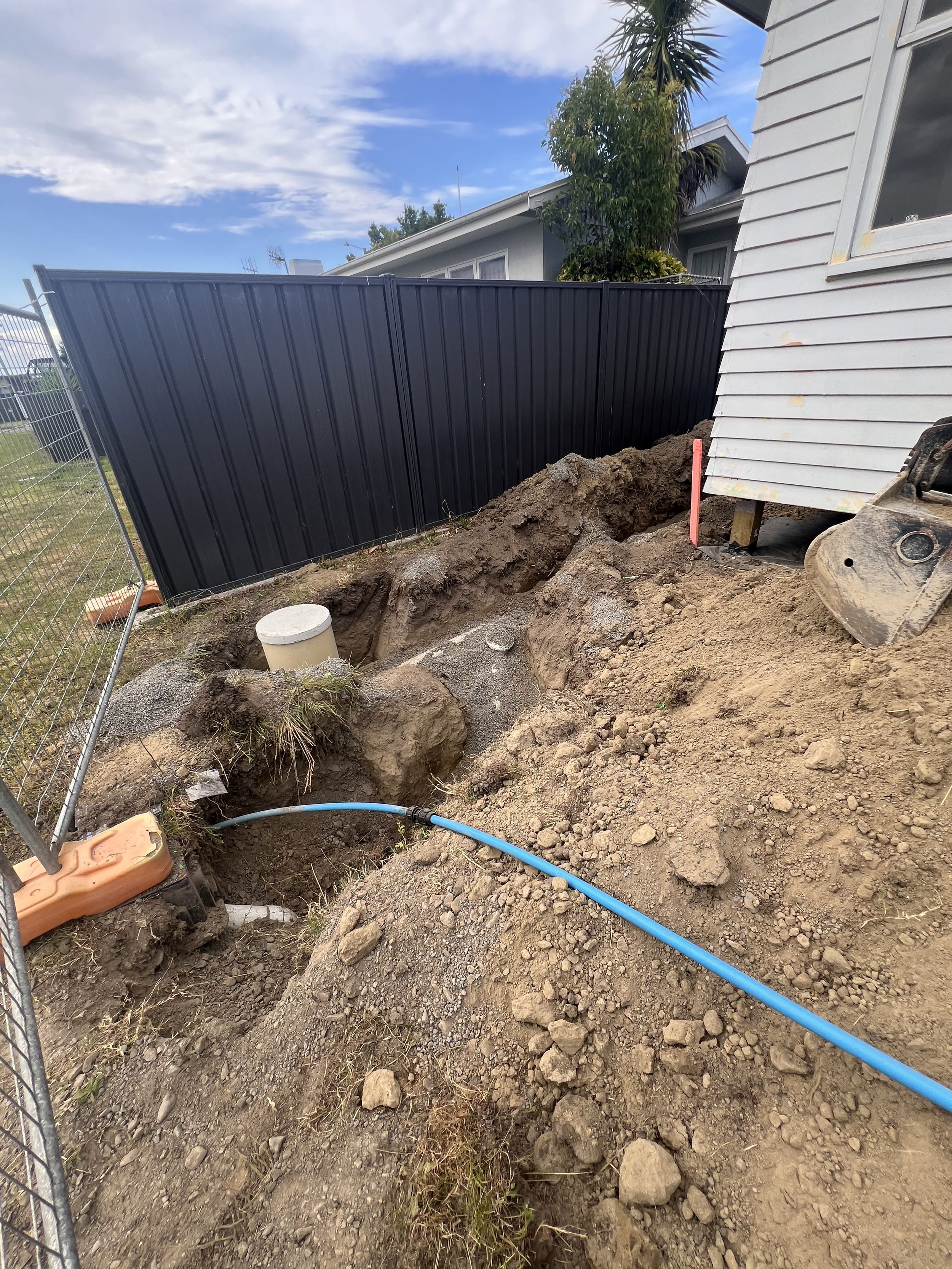
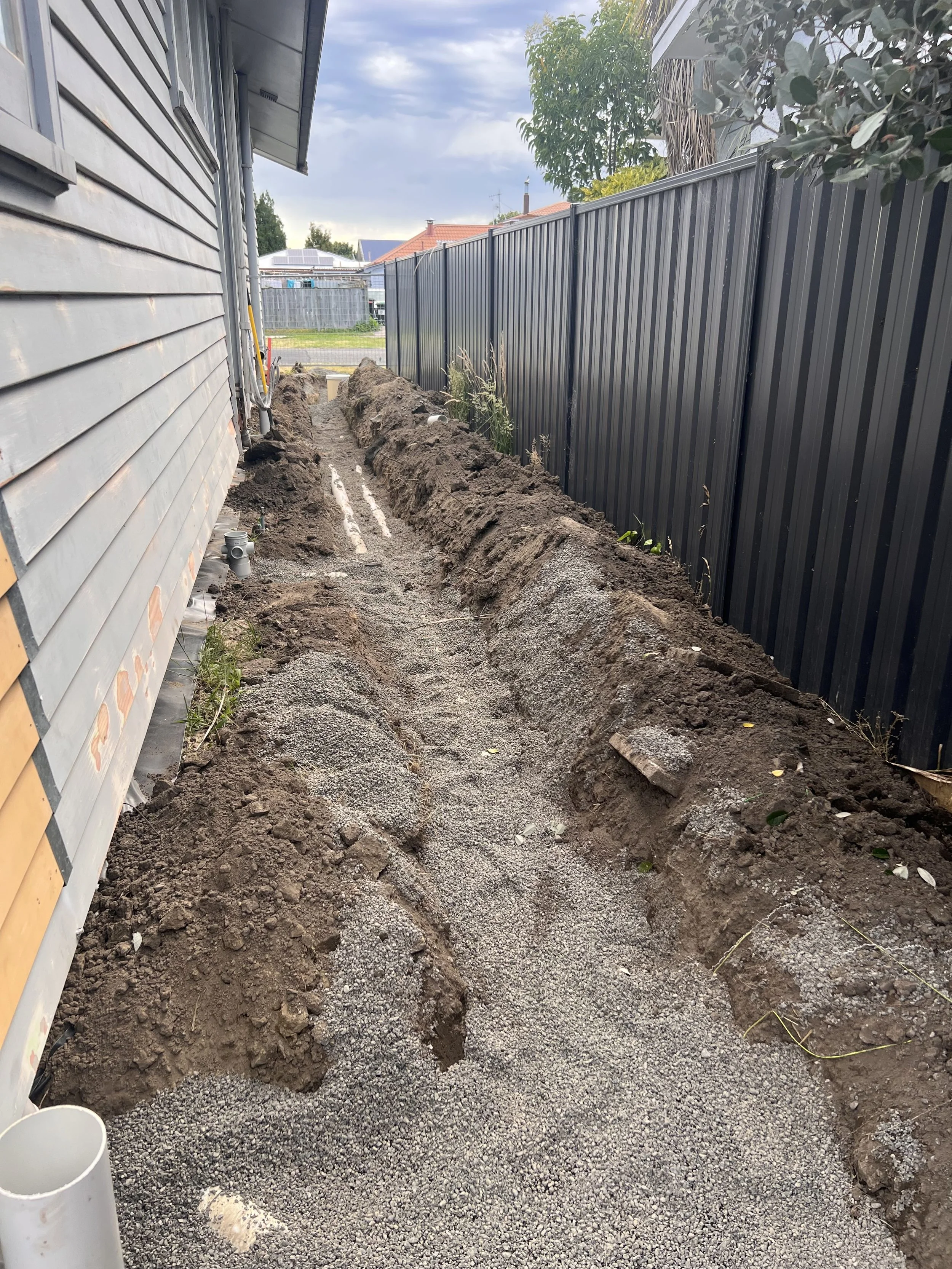
Power, water, and sewage connections
Or alternative systems (e.g. septic tanks)
Landscaping
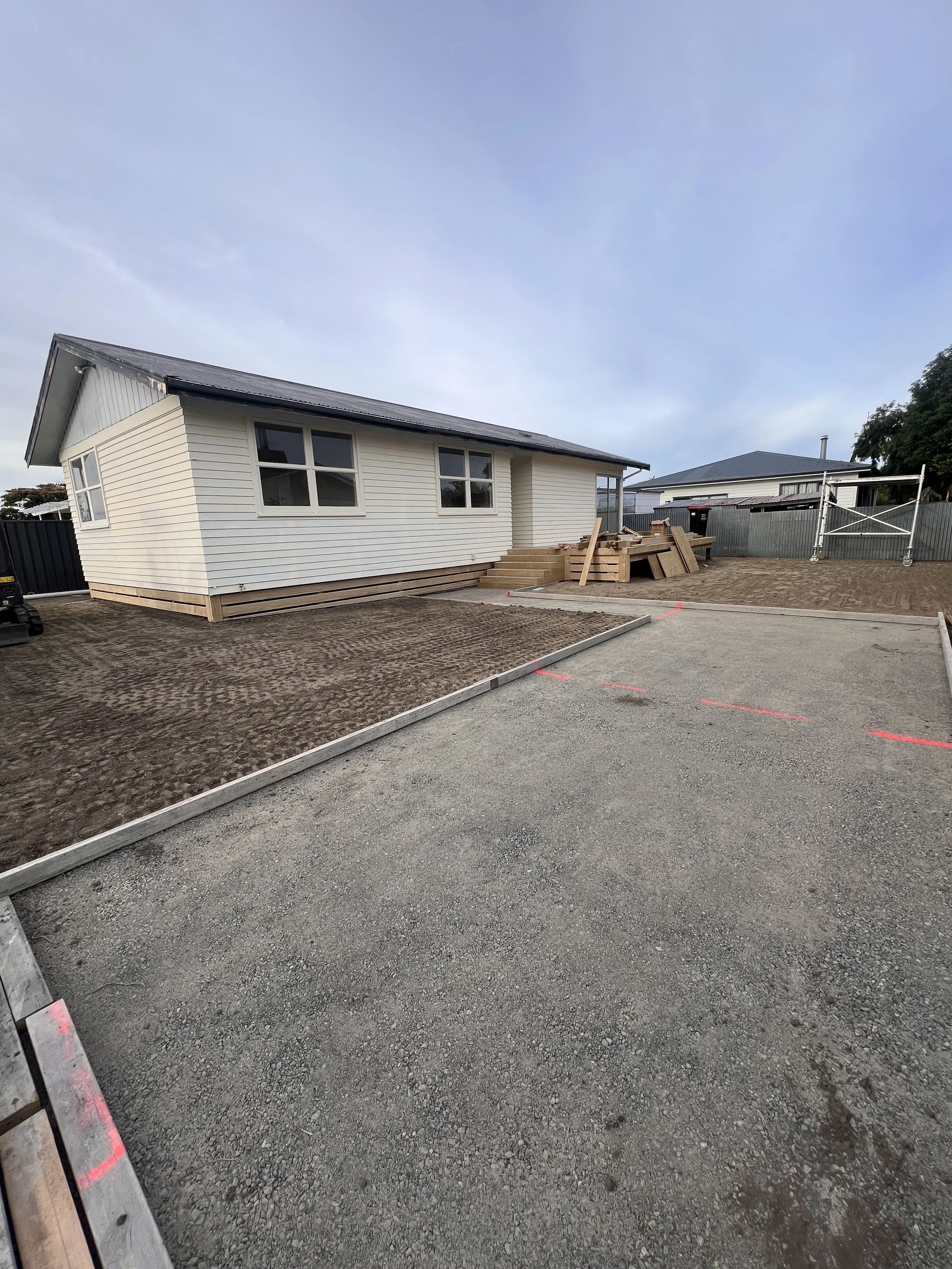
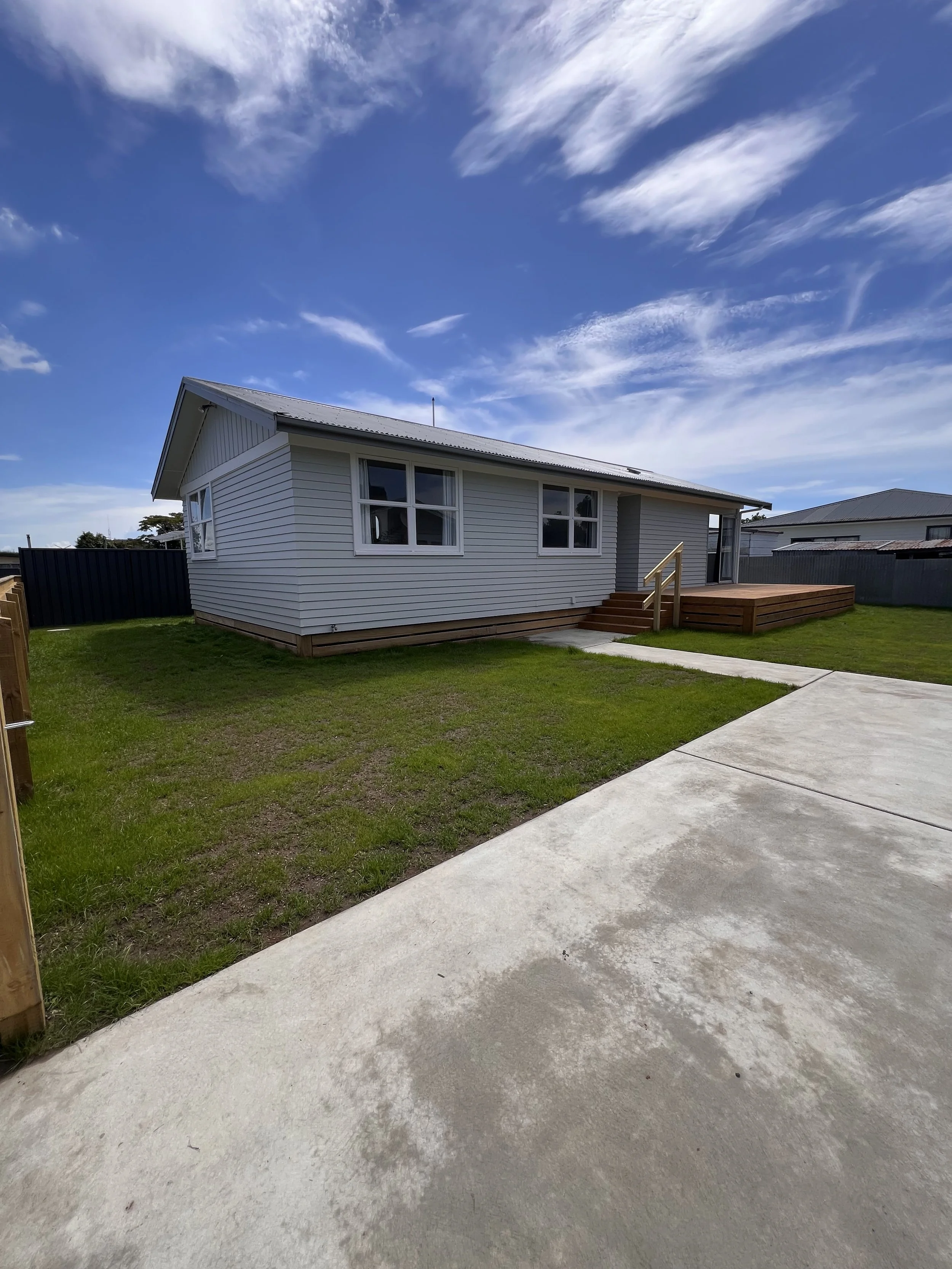
Basic tidy-up after install
Optional full landscaping
Budgeting Tips (So You Don’t Get Caught Out)
Get Quotes Early
Talk to:
Movers
Council
Tradespeople to obtain quotes
This helps you understand your true total cost early on.
Allow a Contingency Buffer
Set aside an extra:
10–20% of your total budget
This covers:
Unexpected repairs
Site challenges
Cost increases
Final Thoughts
Funding a relocatable home can feel more complex than a standard build, but with the right planning, it’s absolutely achievable.
The key things to remember:
Lenders care about risk and final value
Use trusted professionals (relocation company + mortgage advisor)
Understand all costs, not just the house price
Plan your budget with a buffer
If you get these foundations right, relocatable homes can be a faster and cost-effective way to create value. Whether you’re building your home or developing property.